
Fire Safety in Healthcare: Case Study
Last Updated: October 2026
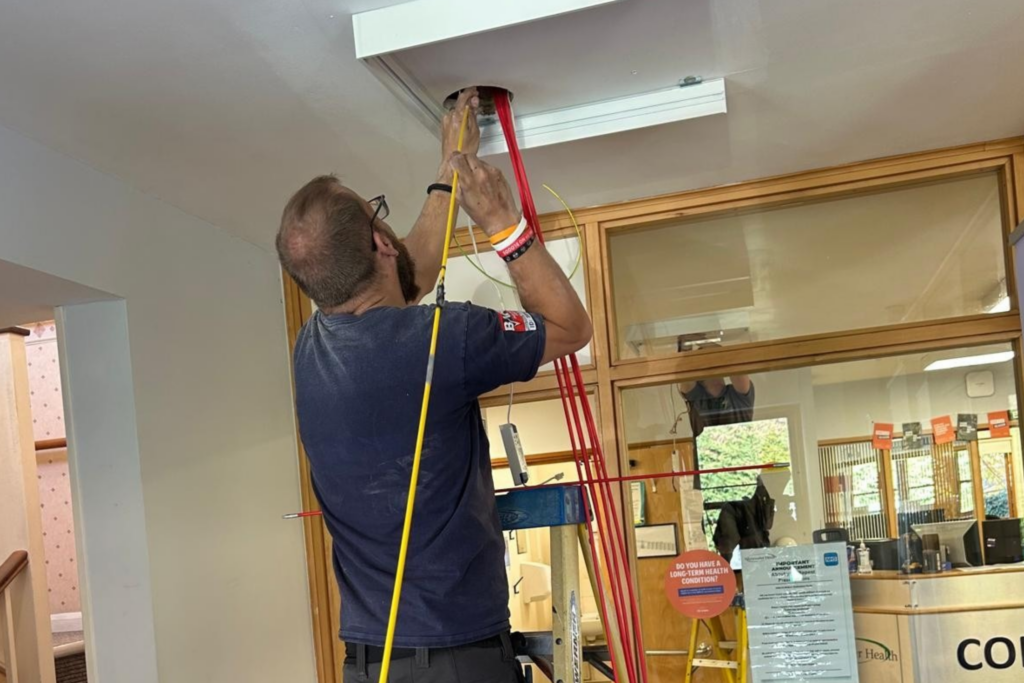
Healthcare premises, including medical centres, GP surgeries, health clinics, hospitals, care homes and other healthcare facilities accommodate patients, service users and visitors and often contain a wide variety of fire risks. These can include electrical equipment, medical devices, oxygen cylinders, IT infrastructure, pharmaceutical storage and high levels of daily occupancy. Fire safety measures must therefore be tailored to the building, its layout and the needs of those who use it.
Healthcare premises are also guided by the NHS Health Technical Memorandum (HTM) 05 Firecode series, which provides healthcare-specific guidance and best practice beyond the basic legal requirements.
Fire risk assessments, fire alarm systems and fire warning systems, fire door inspections and compartmentation surveys, appropriate firefighting equipment and adequate fire safety training should reflect the specific risks associated with the occupancy, supporting effective evacuation procedures, protecting vulnerable occupants and helping to ensure compliance with healthcare fire safety requirements where applicable.
Fire Safety Compliance Requirements for Healthcare Buildings
For GP surgeries, medical centres and primary healthcare facilities, fire safety requirements go beyond those of a typical office because patients may be elderly, disabled, vulnerable or require assistance to evacuate. The key requirements include:
1. Fire Risk Assessment
Under the Regulatory Reform (Fire Safety) Order 2005, every healthcare facility should have a suitable and sufficient fire risk assessment carried out and regularly reviewed. The ‘Responsible Person’ must identify fire hazards, people at risk, existing control measures and any improvements required.
2. Appointment of the Responsible Person
A GP partner, practice manager, employer, or building occupier will typically be the ‘Responsible Person’, this person is legally responsible for ensuring fire safety measures are maintained and staff are trained.
3. Fire Detection and Warning Systems
Medical facilities should have an appropriate fire alarm and automatic fire detection system, designed and maintained to suit the building’s risk profile. Healthcare premises often require enhanced detection due to vulnerable occupants and complex layouts.
4. Means of Escape
The building must provide:
- Clearly signed escape routes
- Adequate emergency exits
- Emergency lighting
- Fire doors protecting escape corridors
- Routes suitable for wheelchair users and patients with reduced mobility
All staff should receive:
- Fire awareness training
- Evacuation procedures – Regular fire drills should also be carried out and recorded.
- Use of fire extinguishers (where appropriate)
- Procedures for assisting vulnerable patients
Regular fire drills should also be carried out and recorded.
6. Evacuation Planning for Vulnerable Patients
Healthcare buildings often serve:
- Elderly patients
- Wheelchair users
- Patients with mobility impairments
- Individuals with cognitive difficulties
Fire emergency plans should consider how these individuals will be assisted during an evacuation.
7. Compartmentation and Fire Doors
Fire doors and compartment walls help prevent the spread of smoke and fire, giving occupants time to escape safely. These should be regularly inspected, maintained and never wedged open.
Suitable portable fire extinguishers should be provided, commonly:
- Water or water-mist extinguishers
- CO₂ extinguishers for electrical equipment
- Additional extinguishers where specific hazards exist
Extinguishers must be regularly maintained and serviced.
Case Study: Fire Alarm Upgrade – Whitewater Health
Sector: Healthcare
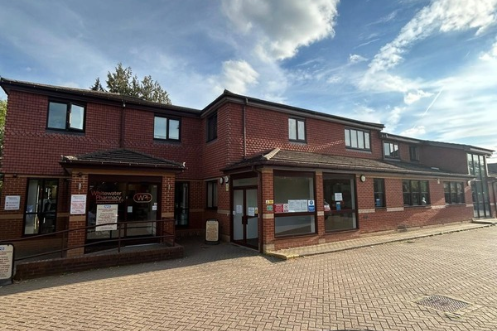
Whitewater Health is a busy NHS medical practice serving the communities of Hook, Hartley Wintney and the surrounding areas of Hampshire.
Following a detailed site survey, Surrey Fire & Safety identified that the existing fire alarm installation within the newer extension already met the requirements of a Category L2 system. The challenge was therefore to provide the additional fire alarm coverage required throughout the remainder of the premises whilst minimising disruption to the healthcare services operating within the building.
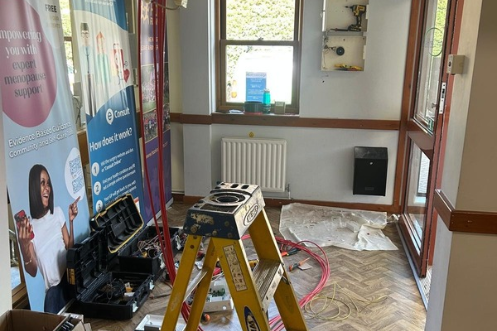
Installation of new fire alarm cabling and wireless system equipment
L2 Fire Alarm System Installation
To minimise disruption to staff, patients and the day-to-day operation of the medical centre, Surrey Fire & Safety utilised wireless fire alarm technology, significantly reducing cabling requirements and installation time.
Works included:
- Design of a Category L2 fire alarm system
- Integration of the existing compliant wired fire alarm system
- Installation of wireless fire alarm devices throughout the building
- Installation of additional smoke detection in key risk areas
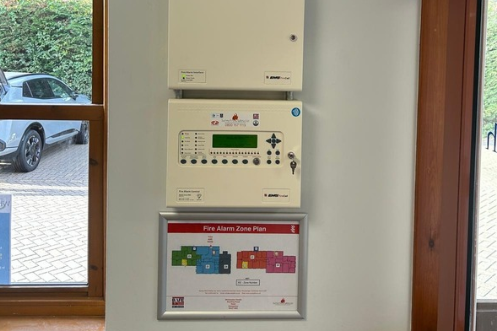
- Installation of new addressable fire alarm control equipment
- System commissioning, testing and certification
Why Choose Surrey Fire & Safety for Your Healthcare Fire Safety Requirements
With extensive experience working across the healthcare sector, Surrey Fire & Safety has helped GP surgeries, medical centres, dental practices and healthcare providers create safer environments for patients, visitors and staff. We work to British fire safety standards and our experienced team of fire safety engineers is backed by BAFE certification as well as many other company certifications and accreditations and ensures your healthcare buildings remains fire safe, compliant and fit for purpose.
Our team is highly flexible and prides itself on its friendly, flexible and fair approach to customer service.
Get in Touch
Contact our Customer Service Team to discuss fire safety for your healthcare premises.