
Fire safety obligations are not the same for every building. If you are the Responsible Person under the Regulatory Reform (Fire Safety) Order 2005, the regulations that apply, the risks you need to manage and the inspection frequencies you are legally required to meet will all depend on what your building is, who occupies it and how it is used.
Surrey Fire & Safety provides the full range of fire safety services, from fire risk assessments and fire alarm installation through to passive fire protection, fire door inspections and fire safety training, helping Responsible Persons meet their legal obligations across all building types and sectors throughout Surrey, London and the South East.
Select your sector below to understand your fire safety responsibilities and compliance requirements.
Residential, Accommodation and Hospitality
| Sector | Key Obligations |
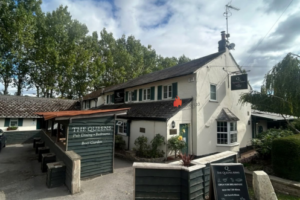
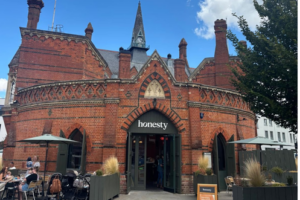
Restaurants, Pubs & Bars | Commercial kitchens, high occupancy levels and extended opening hours create unique fire risks. Fire risk assessments, kitchen fire suppression systems, fire extinguishers, emergency lighting, fire alarm systems and staff fire safety training all require regular review and maintenance. 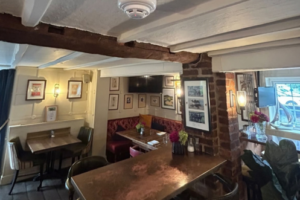 |
| Social Housing | Managing fire safety across social housing portfolios requires a proactive approach to compliance, which may mean considering resident engagement and fire safety communications and the management of communal areas. This may include best practices such as undertaking fire risk assessments, fire door inspections, compartmentation surveys, fire stopping works and compliance with the Fire Safety (England) Regulations 2022. |
| Flats & Apartment Blocks | Post-Grenfell legislation has significantly tightened fire safety requirements for multi-occupied residential buildings. This includes quarterly fire door inspections in common areas, annual flat entrance door checks, compartmentation surveys and cavity barrier inspections are legally required for buildings over 11 metres. Also there are resident information requirements to be considered, routine checks of communal fire safety equipment and duties under the Fire Safety (England) Regulations 2022 for Responsible Persons. |
| Care Homes | Care homes have a high-risk occupancy with complex evacuation requirements. CQC compliance depends on robust, documented fire safety and this includes: Fire doors, compartmentation, fire stopping, fire alarms, and fire safety training for staff. These buildings often require more frequent inspection and maintenance than standard commercial premises as well as staff understanding progressive horizontal evacuation strategies, Personal Emergency Evacuation Plans (PEEPs) where appropriate and staff training and evacuation drills preparation for vulnerable residents. |
| Student Accommodation | Student accommodation is characterised by shared living spaces, frequent changes in occupancy and a diverse resident population. Fire alarm systems, fire door inspections, fire risk assessments and regular fire safety training for fire wardens all play a vital role in ensuring the safety of all occupants. |
| Hotels & Hospitality Venues | Hotels and other hospitality venues provide sleeping accommodation for guests who may be unfamiliar with the building, creating specific fire safety challenges. Appropriate L2 or L3 fire alarm systems, clear escape routes, management of guests unfamiliar with the building, staff training and night-time evacuation procedures as well as regular fire door inspections and documented fire risk assessments are essential, with assessments reviewed whenever there are significant changes to the layout, use or occupancy of the premises.
|
Commercial & Public Buildings
| Sector | Key Obligations |
| Offices | Responsible Persons under the Fire Safety Order 2005 must maintain fire safety across the whole building. Contractor management fit-outs, refurbishment or IT infrastructure works are the most common source of compliance gaps, creating unsealed penetrations and compromising fire compartmentation without reinstatement. Fire risk assessments, fire alarm systems, emergency lighting, fire doors and staff fire safety training including the training of fire wardens, all play an important role in protecting occupants and maintaining compliance. |
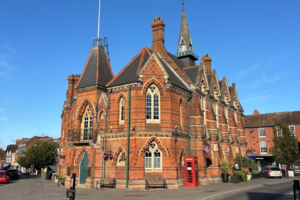
| Local Authorities & Councils | Councils are responsible for fire safety across a diverse property portfolio, including offices, housing stock, community buildings, libraries and leisure facilities. Consistent inspection programmes, fire risk assessments, fire door inspections and planned maintenance are essential to maintain compliance across multiple sites.
|
| Leisure & Sports Facilities | Leisure centres, gyms and sports clubs must provide safe evacuation arrangements for large numbers of visitors and staff. Fire alarm systems, emergency lighting, fire doors, fire extinguishers and fire risk assessments should be regularly maintained and reviewed to ensure ongoing compliance and public safety. |
| Retail Premises and Shops | High footfall, varied layouts and regular fit-out changes create ongoing compliance risk. Fire risk assessments, fire extinguisher provision, fire alarm maintenance and fire door condition all require active management.
|
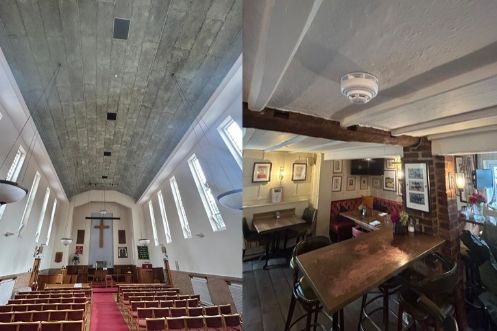
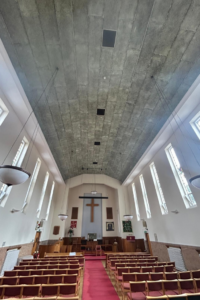
| Churches, Listed Buildings & Heritage Buildings | These buildings are normally of an older construction with non-standard layouts and limited means of escape. Fire risk assessments must reflect the specific constraints of the building and fire alarm installations (such as wireless fire alarms), fire stopping and compartmentation solutions must be sympathetic to listed or heritage fabric.
|
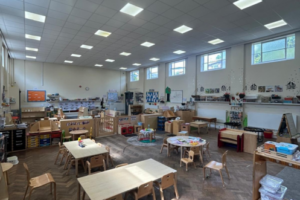
| Schools & Educational Establishments | In schools and education, Responsible Persons must maintain fire alarms, emergency lighting, fire extinguishers, fire doors and compartmentation across complex, multi-building sites. Fire safety training and regular drills are a requirement.
|
| Medical Centres & Healthcare Facilities | Medical centres, GP surgeries, dental practices and healthcare facilities accommodate patients, visitors and service users who may require assistance during an emergency. Fire safety measures must therefore be carefully tailored to the building, its occupancy and operational requirements. Fire risk assessments, fire alarm systems, fire door inspections and compartmentation surveys must reflect the specific risks associated with the occupancy, supporting effective evacuation procedures and compliance with CQC requirements where applicable.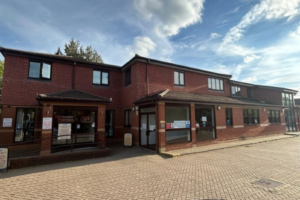 |
Industrial & Specialist Environments
| Sector | Key Obligations |
| Manufacturing Facilities | Machinery, production processes and the storage of combustible materials can significantly increase fire risks. Fire risk assessments, fire alarm systems, fire extinguishers, compartmentation and staff fire safety training should be tailored to the specific hazards present within each facility. |
| Industrial Units | Industrial and manufacturing premises often present elevated fire risks due to hot works, dust extraction systems, flammable liquids and gases as well as combustible materials, production processes, plant machinery and large open-plan spaces. Fire risk assessments, fire alarm systems and fire extinguisher provision should be tailored to the specific hazards present within each facility. |
| Warehouses, Storage Units & Logistics Facilities | Warehouses, storage units and logistics facilities present unique fire safety challenges due to high-bay storage, racking systems, combustible stock and frequently changing layouts and stock profiles and operational practices. Fire risk assessments, fire alarm systems, fire door inspections and compartmentation between storage, operational and office areas should be reviewed regularly to ensure they remain effective as the building and its use evolve. Particular attention should be made to the storage and charging lithium-ion batteries in this environments. |
Clients & Managed Portfolios
Managing fire safety across multiple sites requires a different approach from a single-building operator. Consistent inspection programmes, consolidated reporting and a single trusted supplier relationship are what make portfolio compliance manageable and auditable.
| Sector | Key Obligations |
| Facilities Management Companies | We work as a fire safety partner across your managed portfolio, providing structured inspection programmes, consistent documentation and a single point of contact across all sites. Fire door inspections, compartmentation surveys, fire alarm maintenance, fire risk assessments and fire extinguisher servicing can all be managed under one roof. |
| Property Management Companies | Managing fire safety across multiple residential and commercial properties can be challenging. We provide clear inspection records, maintenance logs and compliance reports, giving property managers the documentation needed to demonstrate compliance, satisfy insurer requirements and maintain an accurate audit trail across their portfolio. |
| Housing Associations | Managing fire safety across occupied residential portfolios requires a proactive approach to compliance. Fire risk assessments, fire door inspections, compartmentation surveys, fire stopping works and compliance with the Fire Safety (England) Regulations 2022 are all essential to demonstrate resident safety and regulatory compliance. |
| Landlords & HMO Owners | Private landlords and HMO owners have specific legal duties under the Fire Safety Order and the Fire Safety (England) Regulations 2022. We carry out fire risk assessments, fire door inspections and routine maintenance programmes to help you meet your legal obligations and maintain compliance across your property portfolio. |
| Developers & Construction Projects | Construction projects and new developments require careful coordination of fire safety measures before handover. Fire door installation, fire stopping, compartmentation surveys and fire risk assessments help ensure the completed building meets building control requirements, supports the golden thread of information and is ready for occupation. |
Fire Safety Expertise Across All Sectors
If your building type isn’t listed above, or you manage a mixed portfolio that spans more than one sector, get in touch.
Our team supports organisations across a diverse range of environments, from offices, schools and healthcare facilities to industrial sites, residential developments and social housing.
A fire risk assessment is the right starting point for any building – it identifies every compliance gap and produces a prioritised action plan specific to your premises.
Our services cover everything from fire alarm installation and servicing, emergency lighting and fire extinguisher servicing and supply, through to fire door inspections, compartmentation surveys, fire stopping and fire safety training.
Why Choose Surrey Fire & Safety?
 Nearly 30 years of experience across commercial, residential and industrial buildings throughout London, Surrey, and the South East. BAFE accredited
 We also hold full BAFE accreditation for fire alarms, covering design, installation, commissioning and servicing, as well as BAFE accreditations for fire extinguishers and fire risk assessments.
SafeContractor, IFSM, FIA, ISO 9001 and Construction Online Gold Member
Independent accreditations provide reassurance that our quality standards, health and safety systems and fire safety competence have been rigorously assessed.
Full-scope capability
Fire risk assessments, fire alarms, extinguishers, emergency lighting, fire safety training, fire doors, compartmentation and fire stopping. Everything under one roof.
Sector-specific knowledge
We understand the regulatory context for each building type, not just the technical requirements.
Portfolio programmes
Structured inspection and maintenance programmes for FM companies, property managers and multi-site operators.