

Every business has a legal responsibility to carry out a suitable and sufficient fire risk assessment and implement appropriate fire safety measures.
The government provides guidance to help Responsible Persons understand their duties and assess fire risks within their premises.
We have put together a free fire risk assessment guidance and template that may be useful for small businesses with straightforward fire risks.
The Responsible Person remains legally responsible for ensuring that their premises comply with fire safety legislation. Completing this template does not guarantee compliance, nor does it remove the need to properly assess the specific fire risks associated with the premises.
The Responsible Person must ensure that a suitable and sufficient fire risk assessment is carried out by a competent person, taking into account the nature of the business, the occupancy, the layout of the premises and any other relevant fire risks.
Need professional help? If you’re unsure whether your fire risk assessment is suitable and sufficient, please contact Surrey Fire & Safety as we can provide a professional fire risk assessment carried out by a competent assessor.
Small Business Fire Risk Assessment Guidance and Template – Free Download
Who needs to complete a fire risk assessment?
Under the Regulatory Reform (Fire Safety) Order 2005, the Responsible Person is legally required to ensure that a suitable and sufficient fire risk assessment is carried out for their premises.
For many small businesses, the Responsible Person is typically the business owner, employer, landlord, or person in control of the premises. The assessment may be completed by the Responsible Person if they have the necessary knowledge and understanding of fire safety, or they may appoint a competent person to assist.
Where a building is more complex or presents higher fire risks, professional assistance from a qualified fire risk assessor is recommended.
What are the hazards?
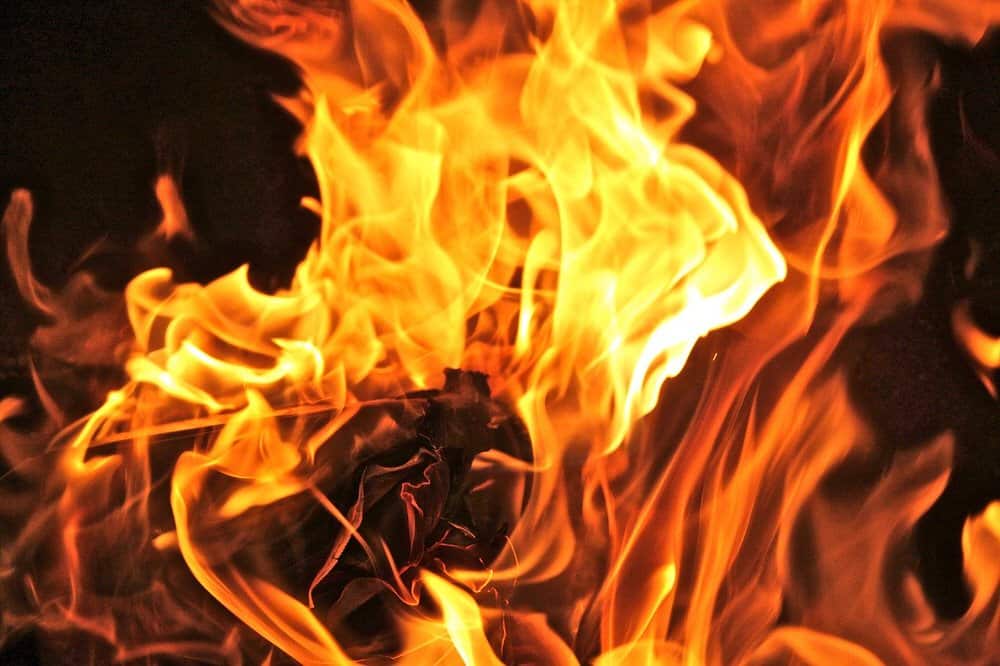
Understanding how a fire starts can help you identify the hazards within your premises. Fire requires three elements to ignite and continue burning: heat, fuel and oxygen, often referred to as the Fire Triangle.
Common sources of ignition include electrical equipment, lighting, portable heaters, cooking appliances, smoking materials, naked flames and work activities that generate heat. These should be identified and managed to reduce the risk of a fire starting.
Fuel sources can include paper, cardboard, packaging materials, furniture, textiles, waste, flammable liquids and certain building materials. When carrying out a fire risk assessment, you should consider both potential ignition sources and combustible materials within the building.
By identifying these hazards and implementing appropriate control measures, you can significantly reduce the likelihood of a fire and help protect people, property and business operations.
Who is at risk?
As with any safety assessment, a fire risk assessment requires you to consider who may be affected if a fire occurs.
Anyone who uses or visits your premises could be at risk, including employees, customers, contractors, visitors and members of the public. Particular consideration should be given to people who may be especially vulnerable in an emergency, such as children, elderly persons, people with disabilities, lone workers and those working outside normal business hours.
The people at risk will vary depending on the type and use of the premises, so it is important to carefully consider who may be present and how they would be affected in the event of a fire.
What have you learnt, and how can you act to remove or reduce risk?
Once you have identified the hazards and people at risk, you can begin to implement measures to reduce the likelihood and consequences of a fire.
Where possible, sources of ignition should be separated from combustible materials and fuel sources. Consideration should also be given to preventing deliberate fire-setting (arson) and reducing the risk of accidental fires.
You should also consider what systems and procedures are needed to detect a fire and ensure people can safely evacuate the premises. This may include:
- Fire detection and warning systems, such as smoke detectors and fire alarms.
- Suitable firefighting equipment, such as fire extinguishers and, where appropriate, fire blankets.
- Clearly identified and unobstructed escape routes and exits.
- Emergency evacuation procedures.
- Arrangements for warning occupants and contacting the emergency services.
It is also important to consider situations where a fire may not be discovered immediately, such as outside normal working hours, during weekends, in low-occupancy areas or when the premises are unattended
Record your findings, put plans in place and ensure there’s appropriate training
Recording the significant findings of your fire risk assessment is an important part of the process. You should document any hazards identified, the control measures in place and any actions required to further reduce risk.
Employees and other regular occupants of the building should be aware of the fire safety arrangements and emergency procedures. Fire safety information should be readily available and communicated clearly.
Training, routine testing and regular fire drills can help ensure that everyone understands what to do in an emergency. New employees should receive fire safety information and instruction as part of their induction.
Depending on the size and complexity of the premises, you may wish to appoint fire wardens or fire marshals to assist with fire safety management and emergency procedures.
Where premises are shared, you should ensure that all occupants, tenants and relevant duty holders are aware of the fire safety arrangements and evacuation procedures.
Reviewing your assessment
Completing a fire risk assessment is not a one-off exercise. It should be treated as a living document that is reviewed regularly to ensure it remains suitable and sufficient.
Your assessment should be reviewed whenever there are significant changes to the premises, the activities carried out, the number of occupants, the layout of the building, or the equipment and materials used.
You should also review the assessment following a fire, false alarm, near miss or any fire-related incident to ensure that lessons are learned and appropriate improvements are implemented.
Regular reviews will help ensure that your fire risk assessment remains up to date and continues to protect the people who use your premises.
Useful resources for completing your fire risk assessment checklist
While completing your risk assessment comes with a lot of responsibility, there is guidance available to help you with it.
- The Health and Safety Executive has a large Fire Safety resource that provides useful information on fire hazards and how to prevent fires from happening.
- The gov.uk pages also feature Risk Assessment Guides for specific types of businesses.
Our free Fire Risk Assessment Guidance and Template is intended to help small businesses understand the fire risk assessment process and record key fire safety information. Suitable for premises with straightforward fire risks, it provides a simple framework for identifying hazards, documenting findings and helping to keep your building and its occupants safe.
Our friendly team are here to help with your fire risk assessment queries and to help you prevent fires happening in your workplace.
If you need guidance or advice, or you need a more advanced fire risk assessment please contact the Surrey Fire & Safety team.